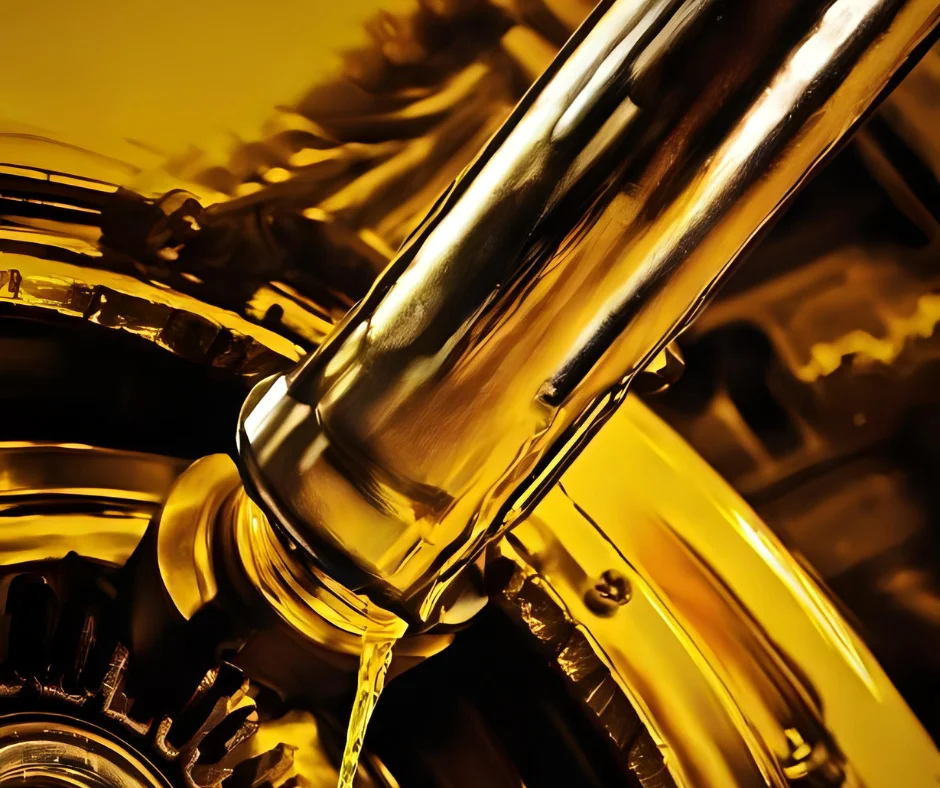
Smooth and uninterrupted production is the key to profitability in textile manufacturing. Yet many factories face costly delays due to machinery failure caused by friction, wear, and overheating. One of the most effective ways to prevent these breakdowns is through the proper use of industrial lubricants. High-quality lubricants reduce machine wear, improve performance, and significantly extend equipment life—making them essential for textile factories in Bangladesh.
Why Lubrication Matters in Textile Machines
Textile machines run continuously in demanding environments with exposure to moisture, heat, dust, and chemicals. Without proper lubrication, bearings, gears, and rollers begin to wear out quickly, resulting in sudden breakdowns and unplanned production stops.
✅ Key functions of industrial lubricants:
-
Reduce friction between moving parts
-
Prevent metal-to-metal contact
-
Minimize wear and tear
-
Control machine temperature
-
Protect against rust and corrosion
-
Improve energy efficiency
Types of Industrial Lubricants Used in Textile Factories
Different machines require different lubrication solutions based on temperature, speed, and operating load.
| Lubricant Type |
Application |
| Grease |
Bearings, couplings, sliding components |
| Gear Oil |
Gearboxes, reducers |
| Hydraulic Oil |
Lifting systems, hydraulic lines |
| Compressor Oil |
Air compressors |
| Chain Oil |
Stenter chains, printing machines |
| High-Temp Synthetic Oil |
Stenter machines, heat chambers |
Benefits of Using High-Quality Industrial Lubricants
Using premium-grade lubricants increases machine efficiency and reduces maintenance costs. Factories experience:
-
✅ Less mechanical wear
-
✅ Reduced noise and vibration
-
✅ Lower risk of overheating
-
✅ Cleaner machine operation
-
✅ Longer lubrication intervals
-
✅ Lower production downtime
Common Lubrication Problems in Textile Mills
Many factories face machine issues due to poor lubrication practices such as:
-
Using general-purpose grease instead of industrial-grade
-
Over-lubrication or under-lubrication
-
Mixing incompatible lubricants
-
Not following a lubrication schedule
-
Using low-quality or counterfeit products
These issues can be avoided by choosing certified industrial lubricants and following a proper lubrication plan.

 Byahebd